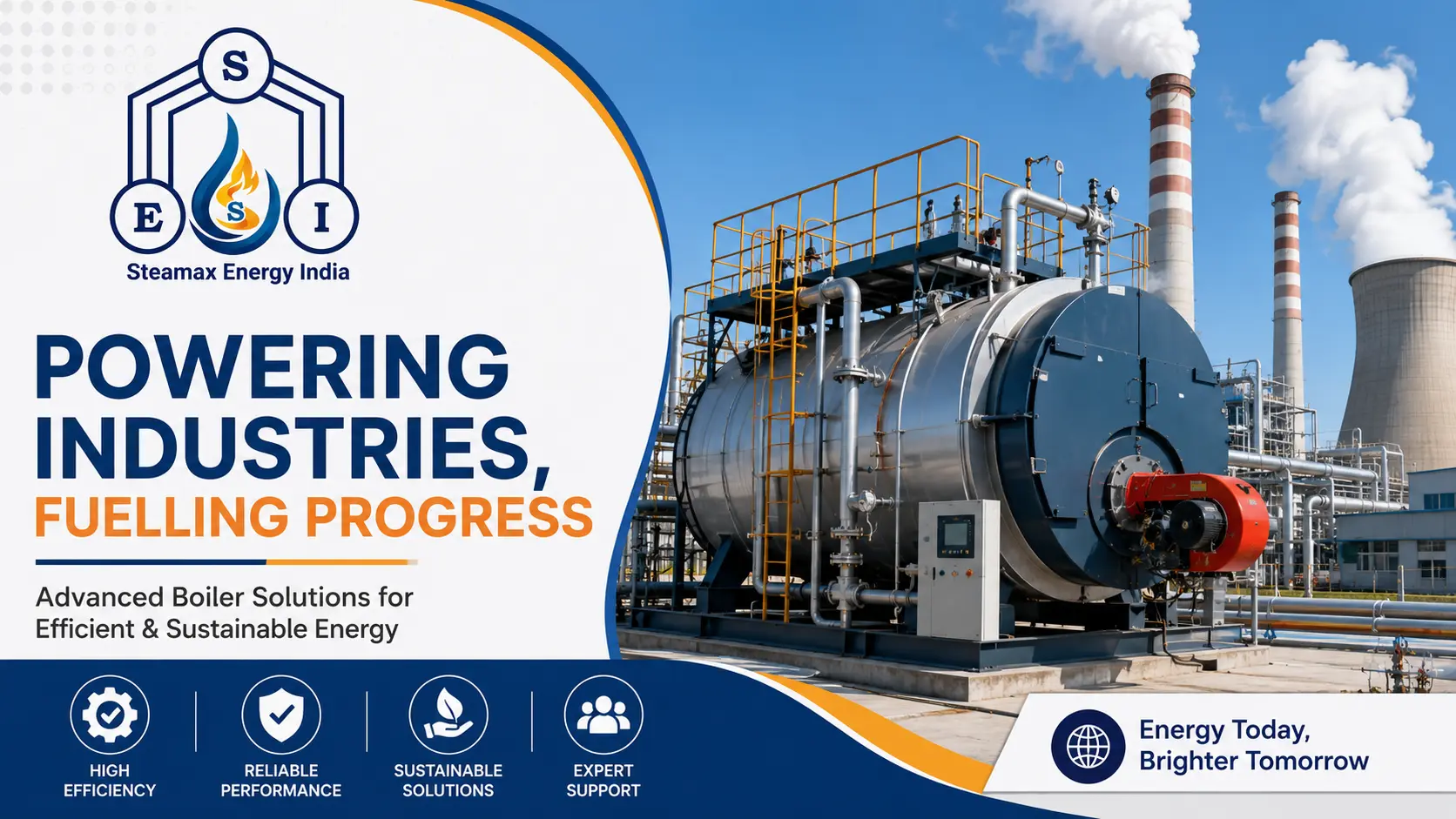
Power generation is one of the most important industrial processes in the modern world. Whether electricity is produced from coal, biomass, natural gas, or other energy sources, boilers play a crucial role in converting water into high-pressure steam that drives turbines and generates power. Without efficient boiler systems, large-scale electricity production would not be possible.
Understanding how boilers function in power generation helps industries appreciate the importance of reliable steam production, energy efficiency, and operational safety. In this blog, we will explore how water and steam are utilized in power plants, the role of boilers, and why modern boiler technology is essential for efficient power production.
Understanding the Role of Boilers in Power Generation
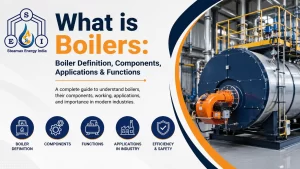
A boiler is a closed vessel designed to heat water and convert it into steam using thermal energy. In power plants, this steam is generated at high temperatures and pressures to drive steam turbines connected to electrical generators. The primary purpose of a power plant boiler is to transfer heat energy from fuel combustion to water. The resulting steam contains a significant amount of energy, which is then converted into mechanical and electrical power. Boilers are often referred to as the heart of a power generation system because they initiate the entire energy conversion process.
Also Read: Boiler in Power Plant: Functions, Working and Maintenance Guide
The Basic Working Principle
The operation of a boiler in a power generation facility follows a systematic process:
- Water is supplied to the boiler system.
- Fuel is burned inside the furnace.
- Heat generated from combustion is transferred to water.
- Water converts into high-pressure steam.
- Steam drives the turbine blades.
- The turbine rotates a generator to produce electricity.
- Exhaust steam is condensed back into water and reused.
This continuous cycle ensures efficient electricity production while minimizing water wastage.
Importance of Water in Power Generation
Water serves as the primary working fluid in most thermal power plants. It has excellent heat absorption properties and can efficiently transport thermal energy throughout the system.
In a modern boiler plant, water undergoes several treatment processes before entering the boiler. Proper water treatment is essential because impurities can cause scaling, corrosion, and reduced heat transfer efficiency.
The quality of water directly affects:
- Boiler performance
- Steam purity
- Equipment lifespan
- Energy efficiency
- Maintenance requirements
For this reason, power plants invest heavily in water treatment systems to maintain optimal boiler operation.
Steam: The Driving Force Behind Power Production
Steam is the medium through which thermal energy is converted into mechanical energy. Once generated inside the boiler, steam is directed toward turbines at extremely high pressure and temperature.
The energy contained within the steam causes turbine blades to rotate at high speeds. This rotational motion drives electrical generators that produce electricity for industrial, commercial, and residential use.
The efficiency of a boiler power plant largely depends on the quality, pressure, and temperature of the steam produced.
Higher steam parameters generally result in improved power generation efficiency and lower fuel consumption.
Boiler in Steam Power Plant Operations
A boiler in steam power plant systems is responsible for producing the steam required to operate turbines continuously and efficiently.
Steam power plants typically consist of the following major components:
- Boiler- Generates steam from water using heat energy.
- Steam Turbine- Converts steam energy into mechanical energy.
- Generator- Converts mechanical energy into electrical energy.
- Condenser- Converts exhaust steam back into water.
- Feedwater System- Supplies treated water to the boiler for reuse.
The boiler remains one of the most critical components because it directly influences plant output, fuel efficiency, and overall performance.
Types of Power Plant Boilers
Different power generation facilities utilize various boiler designs depending on fuel type, capacity, and operational requirements.
Water Tube Boilers
Water tube boilers are widely used in large power stations due to their ability to handle high pressures and temperatures.
Advantages:
- High steam generation rates
- Excellent thermal efficiency
- Suitable for large-scale power generation
- Faster response to load changes
Fire Tube Boilers
Fire tube boilers are generally used for smaller industrial applications where steam demand is lower.
Benefits:
- Simple construction
- Easy maintenance
- Lower initial investment
Pulverized Coal Boilers
These boilers use finely ground coal as fuel and are commonly found in thermal power plants.
Biomass Boilers
Biomass-fired systems utilize agricultural waste, wood chips, and other renewable materials for steam generation.
Waste Heat Recovery Boilers
These boilers recover heat from industrial exhaust gases and convert it into useful steam, improving energy efficiency.
Functions of Power Plant Boilers
Modern power plant boilers perform several important functions beyond simple steam generation.
- Heat Transfer- Efficiently transfer combustion heat to water.
- Steam Production- Generate high-pressure steam required for turbine operation.
- Energy Conversion- Serve as the first stage in converting fuel energy into electrical energy.
- Continuous Operation- Provide reliable steam supply under varying load conditions.
- Fuel Optimization- Ensure maximum energy extraction from fuel sources.
These functions make boilers indispensable in modern power generation systems.
Factors Affecting Boiler Efficiency
The efficiency of a boiler directly impacts fuel consumption and power production costs.
- Fuel Quality- High-quality fuel improves combustion efficiency and steam generation.
- Water Quality- Properly treated water prevents scaling and maintains heat transfer performance.
- Combustion Control- Optimized air-fuel ratios improve thermal efficiency.
- Heat Recovery Systems- Economizers and air preheaters reduce energy losses and improve overall performance.
- Maintenance Practices- Regular inspections and preventive maintenance help sustain peak efficiency.
Improving these factors can significantly increase the operational efficiency of a power plant boiler.
Environmental Considerations
Modern power plants focus heavily on reducing environmental impact while maintaining high efficiency.
Advanced boiler systems help achieve these goals through:
- Reduced fuel consumption
- Lower carbon emissions
- Improved combustion efficiency
- Enhanced heat recovery
- Cleaner steam production
Many industries are now adopting biomass and waste heat recovery technologies to make boiler operations more sustainable.
Advancements in Boiler Technology
The power generation industry continues to invest in advanced boiler technologies to improve efficiency and reliability.
Recent developments include:
- Supercritical Boilers- Operate at extremely high pressures for greater efficiency.
- Ultra-Supercritical Boilers- Deliver higher thermal efficiency while reducing emissions.
- Smart Boiler Monitoring- Uses sensors and automation systems to monitor performance in real time.
- Automated Combustion Control- Optimizes fuel usage and reduces operational costs.
- Predictive Maintenance Systems- Identify potential issues before equipment failures occur.
These innovations are transforming how modern boiler plants operate and helping power producers meet increasing energy demands.
Applications of Boilers in Different Power Plants
Boilers are used across various power generation sectors.
- Thermal Power Plants- Generate electricity using coal, oil, or gas-fired boilers.
- Biomass Power Plants- Use agricultural and organic waste to produce steam.
- Cogeneration Plants- Produce both electricity and useful process steam.
- Waste-to-Energy Facilities- Convert municipal waste into power through steam generation.
- Industrial Captive Power Plants- Provide dedicated power generation for manufacturing facilities.
Each application requires specialized boiler designs tailored to specific operating conditions.
Future of Boilers in Power Generation
The future of power generation will continue to rely on efficient steam generation technologies. As industries seek cleaner and more sustainable energy solutions, boiler manufacturers are focusing on:
- Higher thermal efficiencies
- Alternative fuel compatibility
- Emission reduction technologies
- Digital monitoring systems
- Energy recovery innovations
These developments will help ensure that boilers remain a critical part of power generation infrastructure for years to come.
Conclusion
Boilers play a vital role in power generation by converting water into high-pressure steam that drives turbines and produces electricity. From traditional thermal plants to modern renewable energy facilities, the importance of a reliable boiler in steam power plant operations cannot be overstated.
Whether discussing a boiler plant, a large boiler power plant, or advanced power plant boilers, the fundamental objective remains the same—efficiently convert fuel energy into steam and generate reliable power.
At Steamax Energy India, we specialize in advanced boiler solutions designed to deliver superior efficiency, dependable performance, and long-term operational value for modern power generation applications.