Thermic Fluid Heater Manufacturers in India
Industries requiring continuous heating at very high temperatures need equipment capable of maintaining process temperatures without disrupting production. Thermic fluid heaters offer a practical solution for applications where uniform heat distribution and precise temperature control are essential. They utilize a heat transfer fluid (typically thermal oil) circulating within a closed-loop system to deliver heat from the heater to industrial machinery or process equipment.
Steamax Energy India, based in Ghaziabad, provides industrial heating solutions according to specific process requirements. When selecting a thermic fluid heater, companies should consider factors such as heating capacity, operating temperature, fuel availability, system design, and long-term operating costs. The right configuration can help maintain production consistency and optimize overall energy consumption.
As Thermic Fluid Heater Manufacturers in India, the focus is on selecting a suitable heating arrangement for the process rather than relying on a one-size-fits-all design. Whether an application involves chemical processing, textile production, food manufacturing or material drying, the heater should match the actual heat load and operating conditions.
Features of Thermic Fluid Heater
- Uniform Heat Distribution: Provides consistent heat transfer to industrial equipment and helps maintain stable process temperatures.
- High-Temperature Heating: Suitable for industrial processes that require elevated temperatures using an appropriate thermic fluid.
- Energy-Efficient Operation: Proper system design, insulation and temperature control can help reduce heat losses.
- Closed-Loop Circulation: Circulates the thermic fluid through a closed system for continuous heat transfer.
- Precise Temperature Control: Temperature sensors and control systems help maintain the required operating conditions.
- Low Operating Pressure: Can deliver high-temperature process heating at lower pressure than a comparable high-temperature steam system, depending on operating conditions.
- Multiple Fuel Options: Depending on the model, heaters may operate using biomass, solid fuels, oil, gas or electricity.
- Industrial Applications: Suitable for chemical, textile, pharmaceutical, food processing, plywood, rubber and plastic industries.
Thermic Fluid Heater Manufacturer
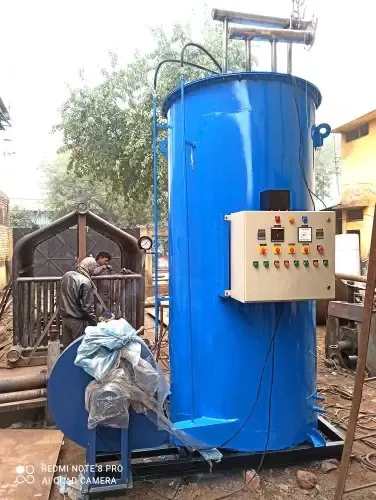
Electric Thermic Fluid Heater Manufacturers
Electric thermal fluid heaters are ideal for industrial processes that require controlled heating without the direct combustion of fuel within the heating unit. Electric heating elements transfer heat to the thermal fluid, which circulates through the system to supply heat to the connected equipment. This system is particularly useful in applications requiring clean operation, precise temperature control, and easy integration with electrical control systems.
The selection of an electric heater depends on the required heating capacity, supply temperature, available electric power, and the operating schedule. Proper circulation, temperature monitoring, and safety controls are also essential for reliable performance.
Electric thermic fluid heating systems can be considered for:
- Chemical vessels and process reactors
- Laboratory and pilot-scale production equipment
- Food processing and temperature-controlled operations
- Textile machinery and industrial drying systems
- Moulds, presses and other equipment requiring indirect heating
Before installing an electric unit, businesses should assess their electricity supply and expected energy consumption. A properly sized system can provide controlled heat while helping operators maintain the temperature needed for their process.
Thermic Fluid Boiler Suppliers in India
A thermic fluid boiler, also called a thermic fluid heater, transfers heat through a circulating thermal fluid instead of using steam as the primary heating medium. The fluid is heated inside the unit and pumped through a closed loop to process equipment. After releasing its heat, it returns to the heater to be reheated and circulated again.
This method is useful for industrial operations that need steady heat at elevated temperatures. Depending on the model and design, heating systems may use suitable solid fuels, biomass, oil or gas. The available fuel options should be confirmed against the required capacity, site conditions and operating objectives.
When comparing thermic fluid boiler suppliers in India, buyers should look beyond the initial equipment cost. Important considerations include:
- Heating capacity: The unit should meet the process heat demand without being unnecessarily oversized.
- Temperature requirements: The heater and selected thermic fluid must be suitable for the required operating temperature.
- Fuel compatibility: Fuel availability, quality, handling and storage can affect operating costs.
- Circulation system: Pumps, piping and heat exchangers should support the required fluid flow.
- Safety and controls: Temperature sensors, flow monitoring, protective interlocks and suitable expansion arrangements are important.
- Service and maintenance: Access to technical support and replacement components can help reduce unplanned downtime.
Steamax Energy India helps industrial buyers evaluate heating requirements and identify a suitable system configuration for their applications. Proper installation, routine inspection and correct thermic fluid maintenance are essential for safe, consistent operation.
Thermic Oil Heater Manufacturers
Thermic oil heaters are industrial heating systems that use thermal oil to transfer energy to machinery and process equipment. They are often considered when a manufacturing process requires uniform indirect heating across several production points. The oil circulates through coils, jackets or heat exchangers, helping maintain the required process temperature without bringing the heating medium into direct contact with the product.
A thermic oil heating system can support a variety of industrial applications, including:
- Chemical and pharmaceutical processing: Heating reactors, vessels and other equipment that require controlled thermal conditions.
- Textile manufacturing: Supplying heat to finishing, drying and other temperature-dependent production operations.
- Food and edible oil processing: Supporting suitable cooking, drying and processing equipment where indirect heat transfer is required.
- Plywood and laminate production: Providing heat for presses and related manufacturing processes.
- Rubber and plastics: Heating moulds, rollers and processing equipment that depend on stable operating temperatures.
The performance of a thermic oil heater depends on more than its rated capacity. Fluid quality, circulation rate, insulation, burner or heating-element performance and operating practices all influence system reliability. The thermic fluid must be selected for the intended temperature range and monitored according to the manufacturer’s recommendations.
For buyers comparing thermic oil heater manufacturers, it is worth checking the proposed design, fuel or power requirements, control system, maintenance needs and suitability for the actual process. These details help ensure the selected equipment meets production requirements over the long term.
Also Read this page: Gas Fired Thermic Fluid Heater Manufacturers
Frequently Asked Questions
A thermic fluid heater supplies indirect heat to industrial machinery and processes through a circulating heat transfer fluid. It is used in applications such as chemical processing, textiles, food production, plywood manufacturing and rubber processing.
The heater raises the temperature of a heat transfer fluid. A circulation pump moves the hot fluid through connected equipment, where it transfers heat to the process. The fluid then returns to the heater for reheating.
An electric thermic fluid heater uses electrical heating elements, while a fuel-fired model generates heat by burning a compatible fuel. The appropriate option depends on energy availability, process capacity, operating costs and site requirements.
Capacity selection depends on the process heat load, required operating temperature, heating time, production schedule and heat losses. A technical assessment helps determine the appropriate size and configuration.
Thermic oil heaters are used in chemical, pharmaceutical, textile, food processing, plywood, paper, rubber and plastics industries, among others. The specific application depends on the process temperature and heating requirements.