In today’s fast paced industrial world, efficiency and productivity play a major role in business success. One of the most important pieces of equipment that supports industrial operations is the boiler. Whether it’s manufacturing, food processing, textiles, or pharmaceuticals, boilers are widely used across different sectors. But many people still ask—What are boilers? How do they actually enhance production processes? In this detailed blog by Steamax Energy India, we will explain everything in simple words, including the importance of boilers in industries, the boiler working principle, and how a proper boiler system can improve overall productivity.
What are Boilers?
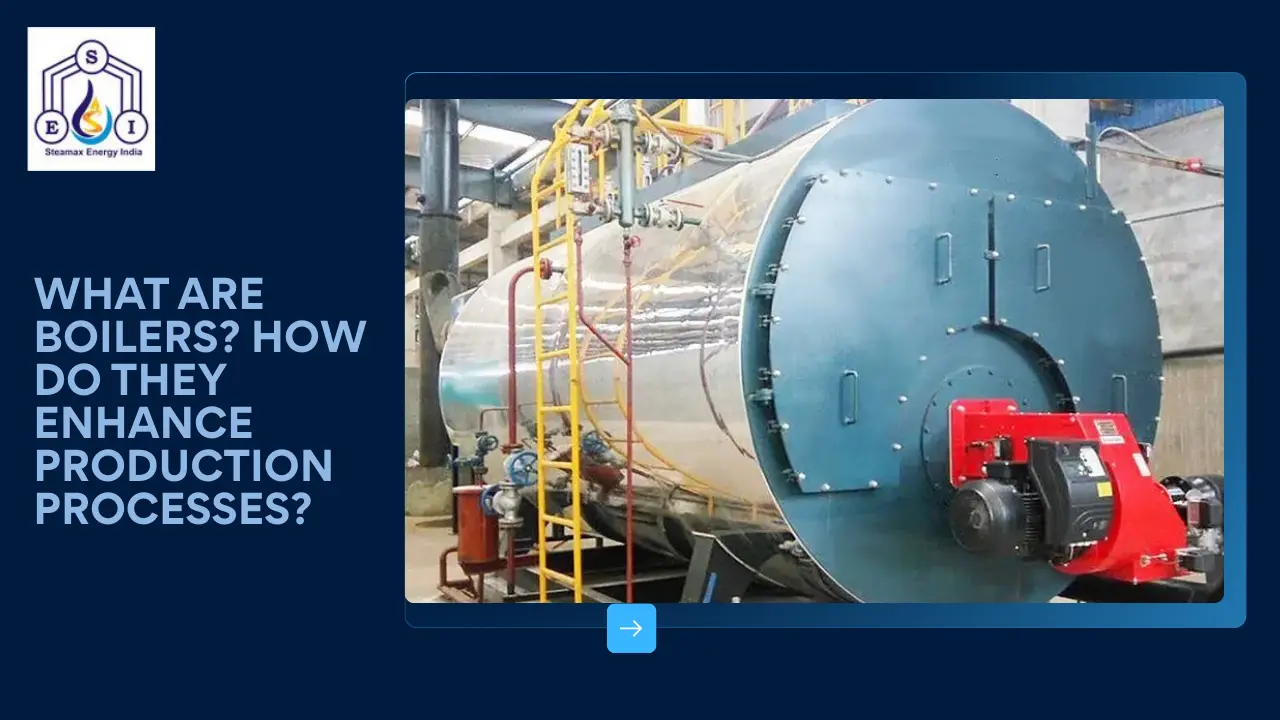
A boiler is a closed vessel in which water is heated to produce steam or hot water by using fuel sources such as coal, wood, oil, gas, or electricity. This steam or hot water is then used for various industrial processes like heating, cleaning, power generation, and processing raw materials.
In simple terms, a boiler converts water into steam energy, which is used to run different industrial operations efficiently.
Importance of Boilers in Industries
The role of boilers in industries is extremely significant. They are considered the backbone of many manufacturing and production units. Without boilers, several industries would struggle to maintain smooth and continuous operations. Here are some key industries where boilers are essential:
- Food and beverage processing
- Textile and garment manufacturing
- Chemical and pharmaceutical production
- Paper and pulp industry
- Dairy and agro-based industries
In all these sectors, steam generated by boilers is used for heating, sterilization, drying, and other important processes. This makes boilers a critical part of the boiler industry.
Boiler Working Principle
Understanding the boiler working principle is important to know how this equipment functions. The basic working principle of a boiler is quite simple:
- Fuel is burned inside the boiler furnace.
- Heat is generated from the combustion process.
- This heat is transferred to the water present in the boiler.
- The water gets heated and turns into steam.
The generated steam is then distributed through pipes to different parts of the plant where it is required. This continuous process allows industries to maintain a steady supply of steam for their operations. Modern boilers are designed with advanced technology to improve efficiency, reduce fuel consumption, and ensure safety.
Understanding a Boiler System
A boiler system is not just a single unit; it is a combination of different components that work together to produce and distribute steam efficiently.
A typical boiler system includes:
- Boiler unit (where steam is generated)
- Burner (for fuel combustion)
- Heat exchanger
- Feedwater system
- Steam distribution pipelines
- Control and safety devices
Each component plays a crucial role in ensuring the boiler operates smoothly and safely. A well-designed boiler system helps industries reduce energy loss and improve productivity.
How Boilers Enhance Production Processes
Boilers are not just equipment—they are productivity boosters. Let’s understand how they enhance industrial production processes:
- Continuous Steam Supply- One of the biggest advantages of boilers is their ability to provide a continuous supply of steam. This ensures that production processes run without interruption, leading to higher efficiency.
- Faster Processing Time- Steam is widely used for heating and processing materials. With the help of boilers, industries can achieve faster heating, which reduces processing time and increases output.
- Improved Product Quality- In industries like food and pharmaceuticals, maintaining proper temperature is very important. Boilers help maintain consistent temperature levels, ensuring better product quality and safety.
- Energy Efficiency- Modern boilers are designed to use fuel efficiently. A well-maintained boiler system reduces energy waste and lowers operational costs, which directly impacts profitability.
Versatility Across Industries- Boilers are highly versatile and can be used for multiple applications such as:
- Sterilization
- Cleaning equipment
- Drying materials
- Power generation
This flexibility makes boilers an essential part of the boiler industry.
Automation and Control- Advanced boiler systems come with automated controls that allow industries to monitor temperature, pressure, and fuel usage. This reduces manual effort and increases operational accuracy.
Types of Boilers Used in Industries
There are different types of boilers used depending on industrial requirements. Some common types include:
- Fire Tube Boilers
- Water Tube Boilers
- Electric Boilers
- Oil and Gas Fired Boilers
- Wood Fired Boilers
Each type has its own advantages and is selected based on factors like fuel availability, capacity, and application.
Role of Steamax Energy India in the Boiler Industry
At Steamax Energy India, we understand the growing demands of modern industries. We specialize in providing high-quality boiler solutions that are efficient, reliable, and cost-effective. Our expertise in the boiler industry allows us to deliver advanced boiler systems that improve performance and reduce operational costs. Whether you need a small boiler for limited use or a large industrial system, we offer customized solutions to meet your specific requirements.
Key Benefits of Choosing the Right Boiler System
Selecting the right boiler system can make a huge difference in your production process. Here are some benefits:
- Reduced fuel consumption
- Lower maintenance costs
- Increased production efficiency
- Better safety and reliability
- Long-term cost savings
Investing in a high-quality boiler ensures smooth operations and better returns for your business.
Maintenance Tips for Boilers
To get the best performance from your boiler, regular maintenance is essential:
- Check for leaks and pressure levels
- Clean the boiler regularly
- Inspect safety valves and controls
- Monitor fuel efficiency
- Schedule periodic servicing
Proper maintenance not only increases the lifespan of the boiler but also ensures safe and efficient operation.
Conclusion
Boilers play an important role in modern industries by providing the steam and heat required for various processes. Understanding what boilers are and how the boiler working principle functions helps businesses make better decisions when choosing equipment. A well-designed boiler system enhances production efficiency, reduces costs, and improves product quality. This is why boilers are considered the backbone of many industrial operations.
If you are looking to upgrade your industrial setup, investing in the right boiler solution from Steamax Energy India can significantly boost your productivity and overall business performance.